European 6 GHz deployment

Wi-Fi 6E in Europe: what IT teams need to know before deploying

Wi-Fi 6E extends Wi-Fi 6 into the cleaner 6 GHz band. In Europe, a successful deployment depends on the permitted country profile, realistic indoor coverage, compatible client devices and a wired network that can carry the additional capacity. YOT turns those dependencies into one designed, staged and documented rollout.
5945–6425
MHz harmonised for European 6 GHz access
160 MHz
Maximum Wi-Fi 6E channel width
WPA3
Required for 6 GHz operation
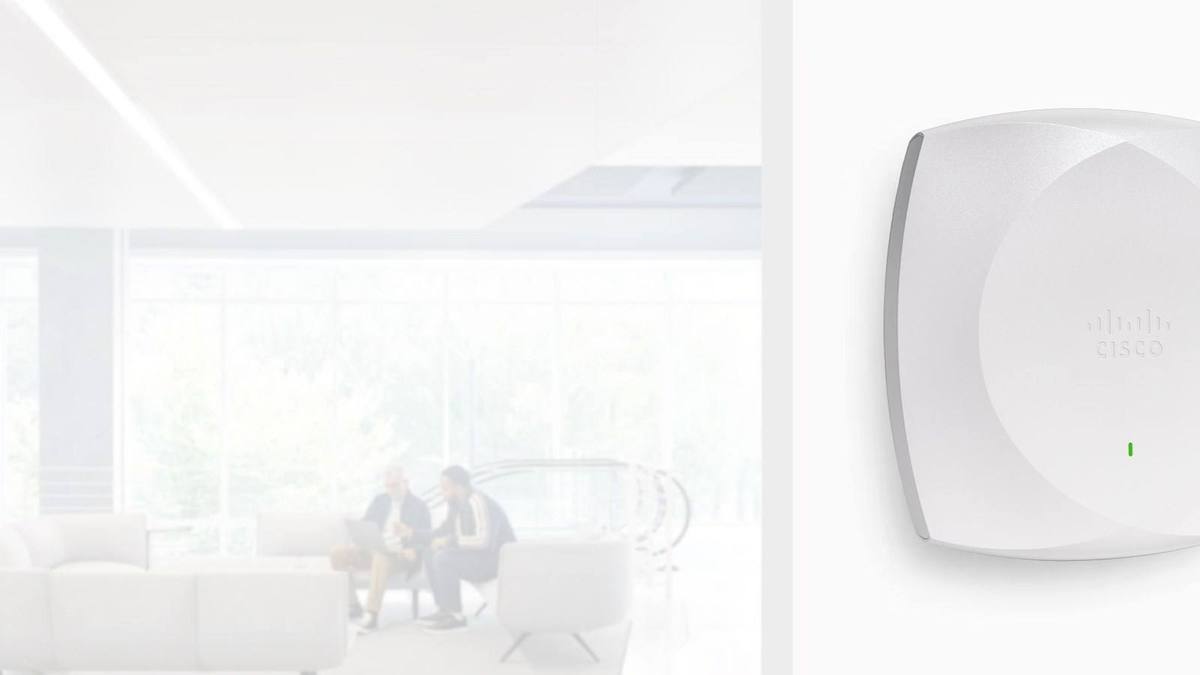
Enterprise wireless access point prepared for a European Wi-Fi 6E rollout

6E / DEPLOYMENT PACK

  • Surveyed
  • Staged
  • WPA3-ready
  • Acceptance documented

Capability map

What Enterprise Wi-Fi 6E in Europe includes

Every deliverable is handled by named people on your account, before the shipment leaves us.

Module 01

European regulatory review

The destination country and approved 6 GHz operating profile are confirmed before access points are specified.

Module 02

Client compatibility audit

Chipsets, operating systems, drivers and WPA3 support are checked across representative business devices.

Module 03

Predictive radio design

Six-gigahertz coverage is modelled against real walls, floors, bulkheads, shelving and mounting constraints.

Module 04

Channel and capacity plan

Channel width and reuse are selected against density and the spectrum available in the European regulatory domain.

Module 05

Wired readiness

Switch uplinks, PoE class and budget, cabling, firewall throughput and controller licensing are checked as one system.

Module 06

Configuration and staging

Access points and switches are firmware-levelled, configured, labelled and mapped to their intended locations before dispatch.

Module 07

On-site validation

Coverage, roaming, channel use and priority applications are tested using representative client devices.

Module 08

Documented handover

The final access-point schedule, switch ports, power budget, configuration baseline and acceptance results are delivered together.

A rollout ready for acceptance

The handover joins the radio design to the physical installation: each access point, switch port, power budget, country profile and validation result is traceable.

  • Surveyed
  • Staged
  • WPA3-ready
  • Acceptance documented
6E / DEPLOYMENT PACK Verified
Region
European country profile confirmed
Clients
Priority device and operating-system support audited
Radio
2.4, 5 and 6 GHz channel plan documented
Access
Switch uplinks, PoE and cabling checked

Delivery sequence

How it runs

  1. 01

    Confirm region and use case

    Country, building type, users, applications and deployment constraints establish the permitted and practical design envelope.

  2. 02

    Audit clients and wired capacity

    Representative devices, switching, PoE, cabling and upstream capacity are checked before the bill of materials is fixed.

  3. 03

    Survey and design

    Coverage and capacity are modelled across all three bands, with access-point positions and channel plans documented.

  4. 04

    Stage and deploy

    Hardware is configured, labelled and delivered by zone so installation follows the design rather than recreating it on site.

  5. 05

    Validate and hand over

    Coverage, roaming and priority applications are tested, with exceptions and final settings recorded for support.

Deployment fit

Where it matters most

Offices and campuses
High client density, video collaboration and managed business fleets where clean spectrum adds usable capacity.
Warehouses and logistics
Mobile endpoints and operational traffic that need a surveyed design across shelving, machinery and changing floor layouts.
Hospitality and commercial
Guest and operational networks separated across dense indoor spaces with predictable coverage and roaming.
Maritime interiors
Vessel networks where bulkheads and compartment boundaries make 6 GHz placement and validation especially important.

Technical library

Related reading

Enterprise Wi-Fi 6E in Europe questions

Is Wi-Fi 6E available in Europe?
Yes. European rules permit wireless access systems in the lower 6 GHz band, subject to the country profile and permitted Low Power Indoor or Very Low Power operating class.
Can Wi-Fi 6E be used outdoors in Europe?
Do not assume it can. European 6 GHz operation is currently based on indoor low-power and very-low-power classes; the higher-power AFC model described in US guidance is not a general European deployment mode.
Do existing Wi-Fi 6 devices use the 6 GHz band?
No. A client needs a 6 GHz-capable radio, suitable operating-system and driver support, WPA3, and the correct regulatory profile. Older clients remain on 2.4 or 5 GHz.
Does Wi-Fi 6E need more access points?
It can. Six-gigahertz signals attenuate faster through walls and structural materials, so coverage must be surveyed independently instead of copying an existing 5 GHz layout.
Should we deploy Wi-Fi 6E or Wi-Fi 7?
That depends on client support, lifecycle, wired capacity and budget. Wi-Fi 7 also uses 6 GHz and adds capabilities such as Multi-Link Operation; Wi-Fi 6E remains a practical choice where compatible clients need clean 6 GHz capacity.

Scope a project with us

Send a bill of materials or a design brief. A technical pre-sales specialist replies within one business day with hardware, licensing, staging and freight on one quote.

Not trading with us yet? Open a partner account.