PPWR: what the EU Packaging Regulation means for IT and maritime supply chains
PPWR, the EU Packaging and Packaging Waste Regulation, applies directly in every member state rather than being transposed country by country. For distribution that is a structural change: packaging becomes a compliance surface, not a warehouse detail.
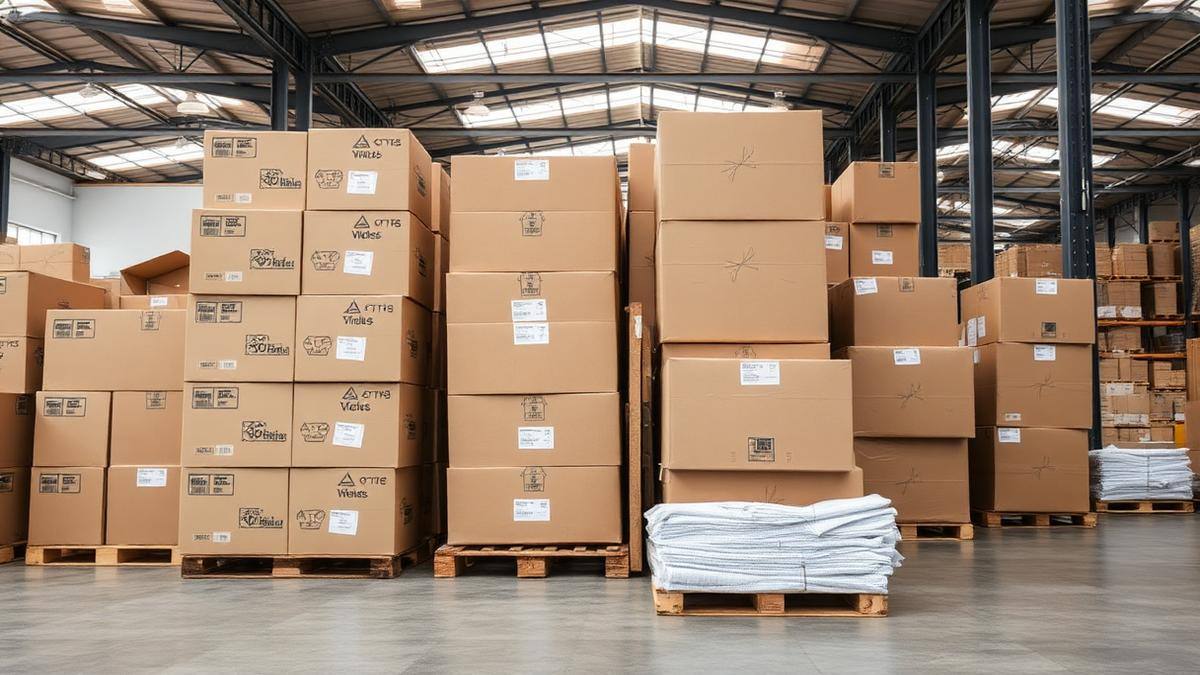
- Regulation
- EU Packaging and Packaging Waste Regulation
- Scope
- Directly applicable across the EU
- Main lever
- Consolidation and rack-and-ship
- Site benefit
- Less packaging waste on client sites
What PPWR actually changes
The regulation targets the volume and recyclability of packaging placed on the EU market, and it sets obligations that follow the goods rather than the company. Empty space in a shipment, non-recyclable materials and missing labelling all become measurable issues.
Because it is a regulation rather than a directive, the same rules apply in Malta, Germany, Poland, France and Italy at once. There is no local variation to design around.
- Limits on empty space in transport and grouped packaging
- Recyclability requirements for the materials used
- Harmonised labelling so packaging can be sorted correctly
- Extended producer responsibility obligations that follow the goods
- Reuse and take-back expectations for transport packaging
Why IT distribution feels it first
IT hardware ships in deeply nested packaging. A rack build can arrive as dozens of individually boxed items inside outer cartons on a pallet, most of that volume being air and protective fill.
Multi-line orders shipped from several vendors compound the problem: each vendor packs to their own standard, and the integrator ends up disposing of packaging at the client site, often on a vessel or a live commercial site where waste handling is expensive.
How YOT resolves it
Consolidation is the single biggest lever, and it is what distribution should do anyway. We receive from multiple vendors, unbox, pre-stage and rebuild the shipment as one consolidated, right-sized delivery.
For rack projects we go further and ship the equipment already installed in the cabinet. The packaging that would have travelled to your client's site never leaves our facility, and it is sorted and recycled where it can be handled properly.
- Multi-vendor consolidation into a single right-sized shipment
- Rack-and-ship delivery so item-level packaging stays at our hub
- Recyclable, paper-based protective materials in place of mixed plastics
- Packaging waste handled and sorted at our facilities, not at your client's site
- Documentation for consolidated shipments to support your own reporting
The result for your business
Partners get fewer pallets, less on-site waste handling, lower disposal costs and a cleaner compliance position. On yacht refits and live sites, reducing what has to be unpacked and removed on site is a direct saving in labour and access time.
Sustainability requirements stop being an administrative burden and start looking like the operational improvement they should be.
Plan your next shipment with us
If you are reviewing how packaging and waste obligations affect your deliveries, talk to our team about consolidation and rack-and-ship. It is usually cheaper and always cleaner.