Cisco Meraki in maritime environments
Vessels have moved from isolation to integration. LEO and next-generation satellite uplinks have turned the ship into just another branch site, but one with latency, motion, salt air and a crew that cannot call an engineer on shore.
- Sector
- Maritime
- Stack
- Meraki MX, MS, MR
- Uplinks
- LEO, VSAT, cellular
- Managed
- Cloud dashboard, remote
From isolation to integration
For decades, shipboard IT was deliberately islanded: expensive, high-latency uplinks meant local systems had to survive alone. Crew welfare, navigation and operational data ran on separate, unmanaged networks.
Affordable high-throughput connectivity has collapsed that model. The vessel is now a remote site expected to run the same cloud services, security posture and monitoring as any office ashore.
Next-generation satellite uplinks
LEO constellations changed the economics, hundreds of megabits at latency low enough for VoIP, remote desktop and cloud management planes.
The design work moves to bonding and failover: LEO as primary, VSAT and cellular as backup, with policy deciding which traffic classes are allowed on which path.
The Meraki architecture onboard
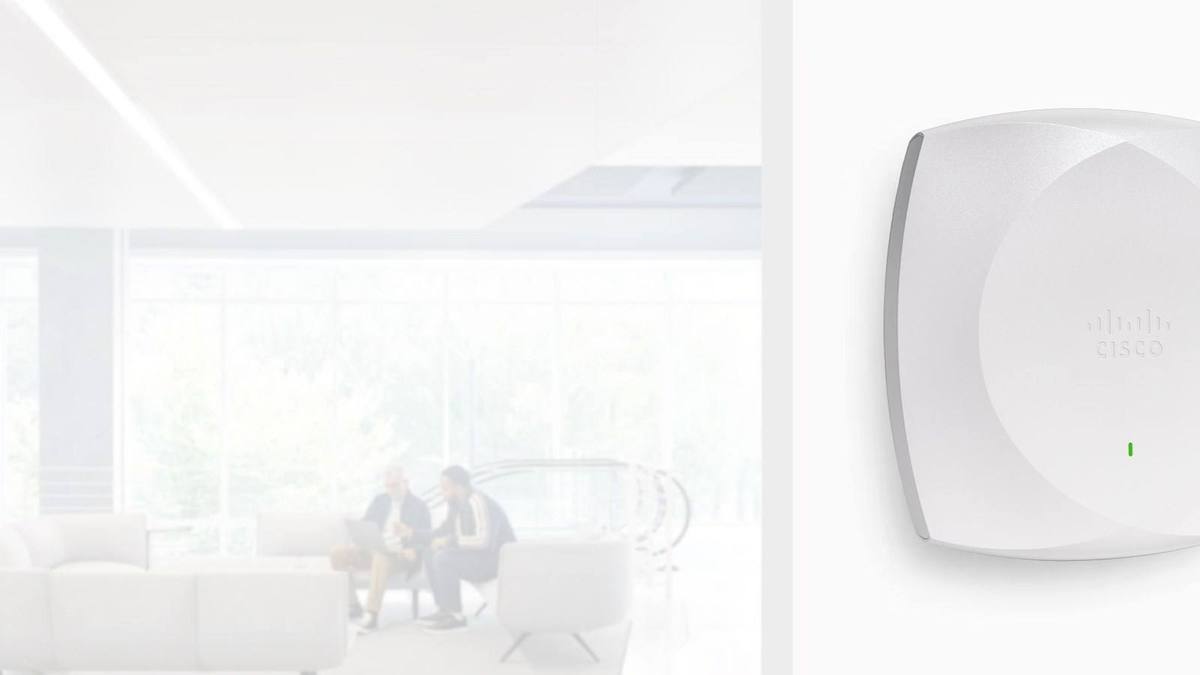
MX security appliances terminate the uplinks and hold SD-WAN policy; MS switches provide the access layer; MR access points cover guest, crew and operational SSIDs with separate VLANs and traffic shaping.
Because the dashboard is cloud-hosted, a shoreside team can push configuration, monitor client health and troubleshoot without a site visit, which is the entire point when the site is mid-Atlantic.
Implementation notes
MTU optimisation matters on satellite paths; clamping and correct MSS settings prevent the fragmentation that silently kills throughput.
Environmental hardening, vibration-rated mounting, corrosion protection, thermal headroom in unventilated technical spaces, is as important as the configuration itself.
Traffic-shaping templates should protect operational and navigation-adjacent traffic first, then crew welfare, then guest bandwidth.
Economics and strategy for integrators
The commercial case rests on reduced travel: every configuration change made remotely is a flight, a launch transfer and a day of engineer time avoided.
For MSPs and integrators, a standardised Meraki template across a fleet turns bespoke projects into a repeatable, supportable managed service.